Martin Luther King Jr. Day: A Meaningful Opportunity for Moms
Martin Luther King Jr. Day is more than a national holiday—it’s a moment to pause, reflect, and take action. For moms, it offers a powerful opportunity to teach children about equality, justice, and compassion while honoring Dr. King’s dream of a “Beloved Community.” It’s a day to connect history with everyday life, helping kids understand that the fight for fairness and kindness continues with each generation.
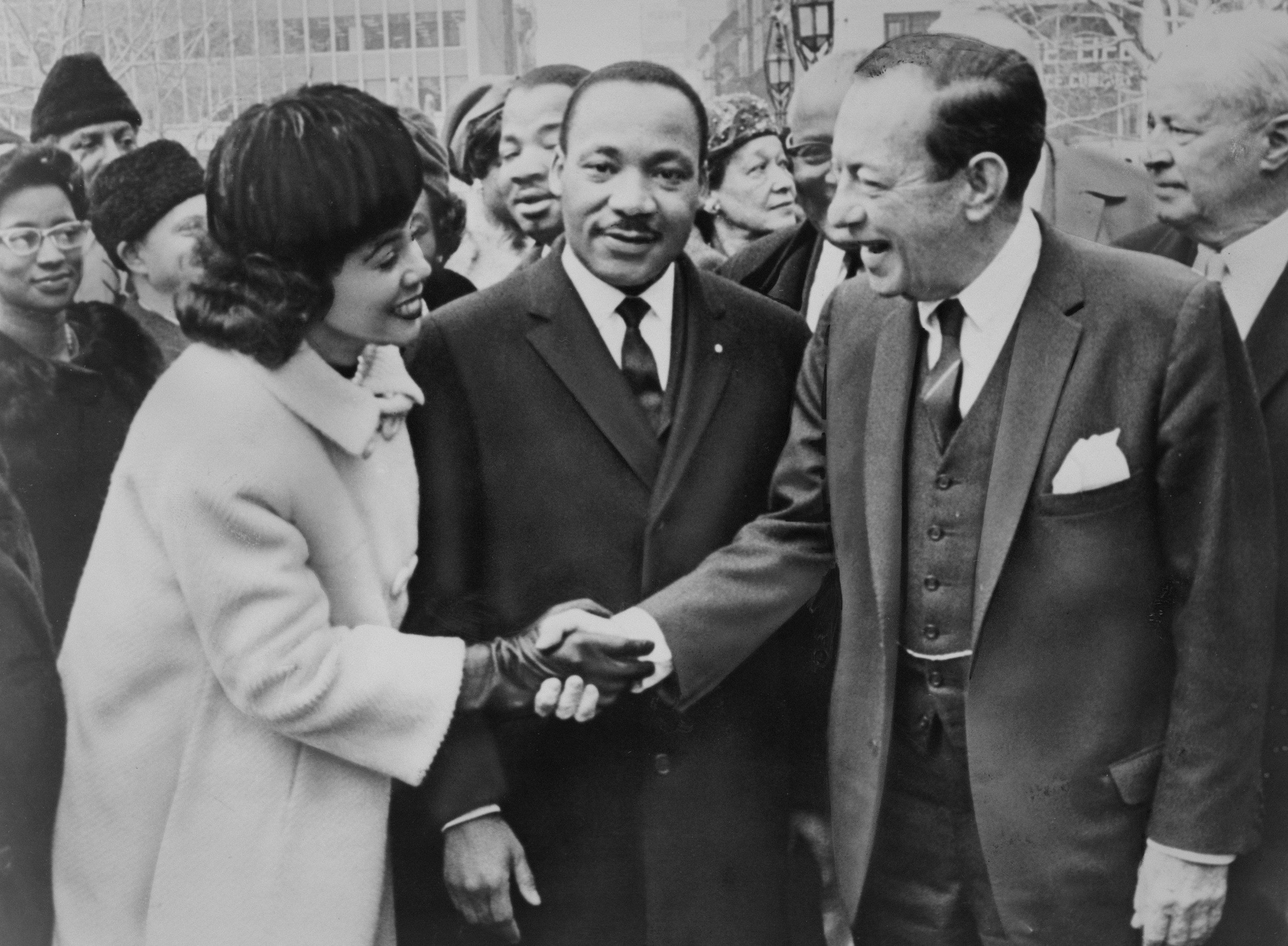
Why Martin Luther King Jr. Day Matters for Moms
A Teaching Moment
This day opens the door for moms to talk with their children about civil rights, nonviolence, and the importance of standing up for what’s right. For younger kids, it can start with simple lessons about kindness and fairness. For older children, it’s a chance to explore deeper topics like racism, activism, and the power of peaceful protest. These conversations help kids see that equality isn’t just a word—it’s a responsibility.
Inspiring Action
Dr. King believed that service was love in action. Moms can use this day to show their children that making a difference starts with small, meaningful acts. Whether it’s volunteering at a local shelter, helping a neighbor, or writing thank-you notes to community helpers, these experiences teach kids that they have the power to create positive change.
Honoring Black History
Martin Luther King Jr. Day is also a time to celebrate the broader story of Black history and resilience. Sharing stories about Dr. King, Coretta Scott King, Rosa Parks, and other civil rights leaders helps children understand the courage and sacrifice behind the freedoms we enjoy today. It’s also a reminder that the work for equality and justice is ongoing.
Fostering Empathy and Awareness
Talking about fairness, privilege, and compassion helps children see the world through others’ eyes. Moms can guide their kids to listen, learn, and stand up for those who are treated unfairly. These lessons build empathy and help children understand that they are part of a larger community—one where everyone’s dignity matters.
Reflecting on Personal Roles
For moms, this day is also a time for self-reflection. It’s a chance to think about how daily choices—what we say, how we treat others, and what we teach our children—either reinforce or challenge inequality. By modeling openness, respect, and courage, moms show their children what it means to live out Dr. King’s message in everyday life.

How Moms Can Celebrate and Teach
Have meaningful conversations: Talk about Dr. King’s dream and what fairness means today. Ask kids how they can make their schools and communities kinder places.
Examples of Meaningful Conversations for Martin Luther King Jr. Day
1. Talk About Fairness in Everyday Life
Ask your child:
“What does it mean to treat people fairly?”
“Have you ever seen someone being left out or treated unfairly? What could you do to help?”
Example: If your child notices a classmate who eats lunch alone, talk about how inviting them to join could make a difference.
2. Connect Dr. King’s Dream to Their World
Ask your child:
“Dr. King dreamed of a world where people are judged by their character, not their skin color. What do you think that means?”
“What kind of world do you dream about?”
Example: Encourage your child to draw or write about their own dream for a kinder, fairer world—maybe a school where everyone feels safe and included.
3. Discuss Kindness and Inclusion
Ask your child:
“How can we make our school or neighborhood a friendlier place?”
“What are some small ways we can show kindness every day?”
Example: Brainstorm ideas like helping a new student find their classroom, sharing supplies, or standing up for someone being teased.
4. Explore Real-World Examples of Fairness and Justice
Ask your child:
“Can you think of a time when someone stood up for what was right?”
“Why is it important to speak up when something isn’t fair?”
Example: Talk about historical figures like Rosa Parks or modern examples of kids who’ve started kindness or anti-bullying campaigns at school.
5. Reflect as a Family
Ask your child:
“What can our family do to make our community better?”
“How can we show respect and kindness to people who are different from us?”
Example: Plan a family service project—like donating books about diversity to a local library or volunteering at a community event.
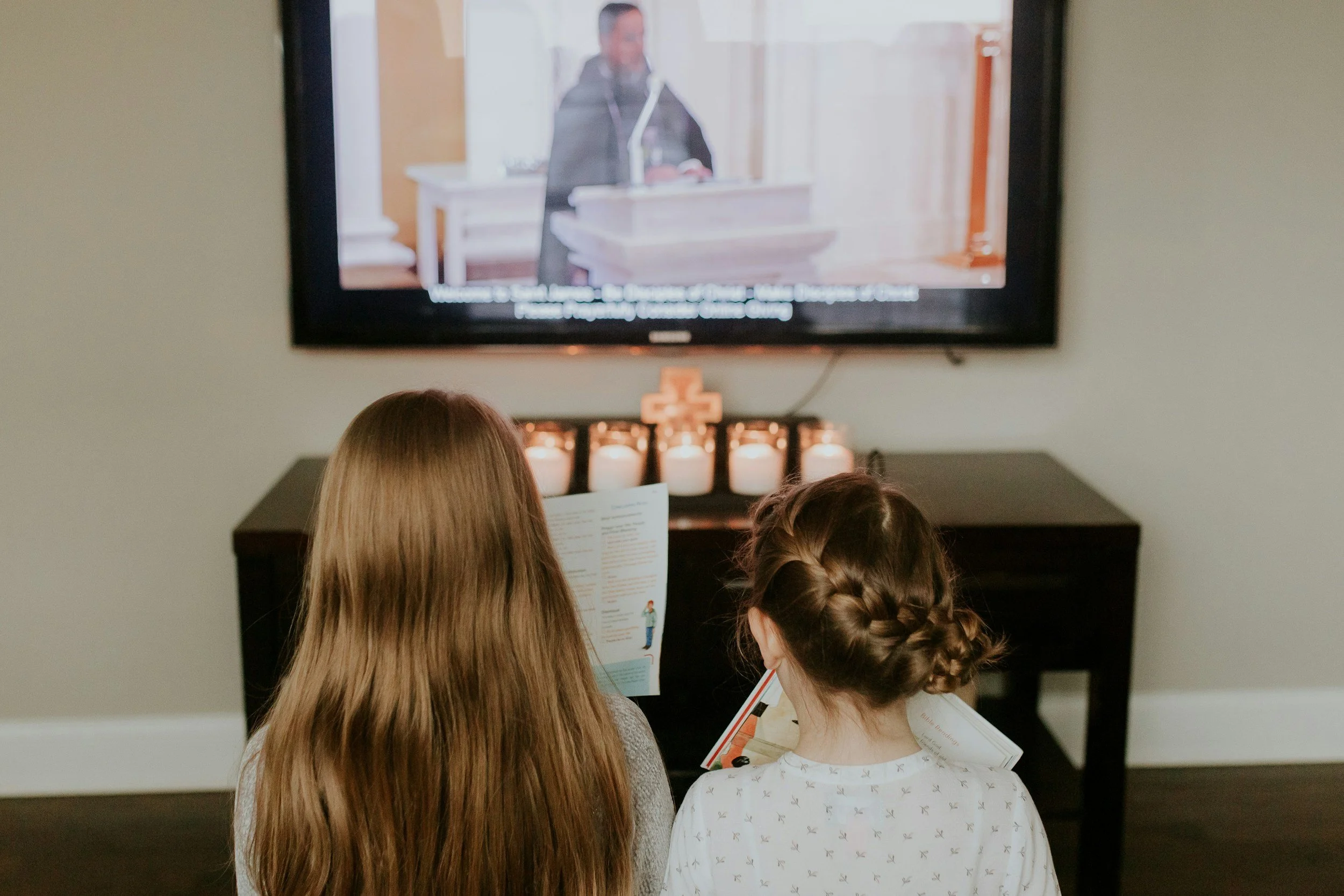
Read and watch together: Choose books and films that tell the story of Dr. King and the Civil Rights Movement. Use them as a springboard for discussion.
Examples of Reading and Watching Together for Martin Luther King Jr. Day
1. Picture Books for Young Children
Martin’s Big Words by Doreen Rappaport – A beautifully illustrated introduction to Dr. King’s life and message.
Discussion idea: Ask, “What do you think Dr. King meant when he said, ‘Hate cannot drive out hate; only love can do that’?”
I Am Martin Luther King, Jr. by Brad Meltzer – A simple, inspiring story that helps kids understand Dr. King’s courage and compassion.
Discussion idea: “What does it mean to be brave without fighting?”
2. Books for Older Kids and Tweens
Who Was Martin Luther King, Jr.? by Bonnie Bader – A detailed look at Dr. King’s life and the Civil Rights Movement.
Discussion idea: “What challenges did Dr. King face, and how did he respond to them?”
The Story of Ruby Bridges by Robert Coles – The true story of a young girl who integrated a New Orleans school.
Discussion idea: “How did Ruby show courage? What can we learn from her?”
3. Books for Teens and Families
March (graphic novel trilogy) by John Lewis – A firsthand account of the Civil Rights Movement from Congressman John Lewis.
Discussion idea: “How do peaceful protests create change?”
The Watsons Go to Birmingham—1963 by Christopher Paul Curtis – A powerful novel that blends family life with historical events.
Discussion idea: “How did the events in Birmingham change the Watsons’ understanding of the world?”
4. Family-Friendly Films and Documentaries
Our Friend, Martin (animated film) – A time-travel story that introduces kids to Dr. King’s life and legacy.
Discussion idea: “What lessons did the characters learn from meeting Dr. King?”
Selma (for older kids and teens) – A moving portrayal of the 1965 march from Selma to Montgomery.
Discussion idea: “Why was the right to vote so important to Dr. King and the marchers?”
Eyes on the Prize (documentary series) – A deeper look at the Civil Rights Movement through real footage and interviews.
Discussion idea: “What emotions did you feel watching people stand up for their rights?”
5. Extend the Learning
After reading or watching, encourage kids to:
Write a short reflection or draw a picture about what they learned.
Share one way they can live out Dr. King’s message of peace and equality in their own lives.
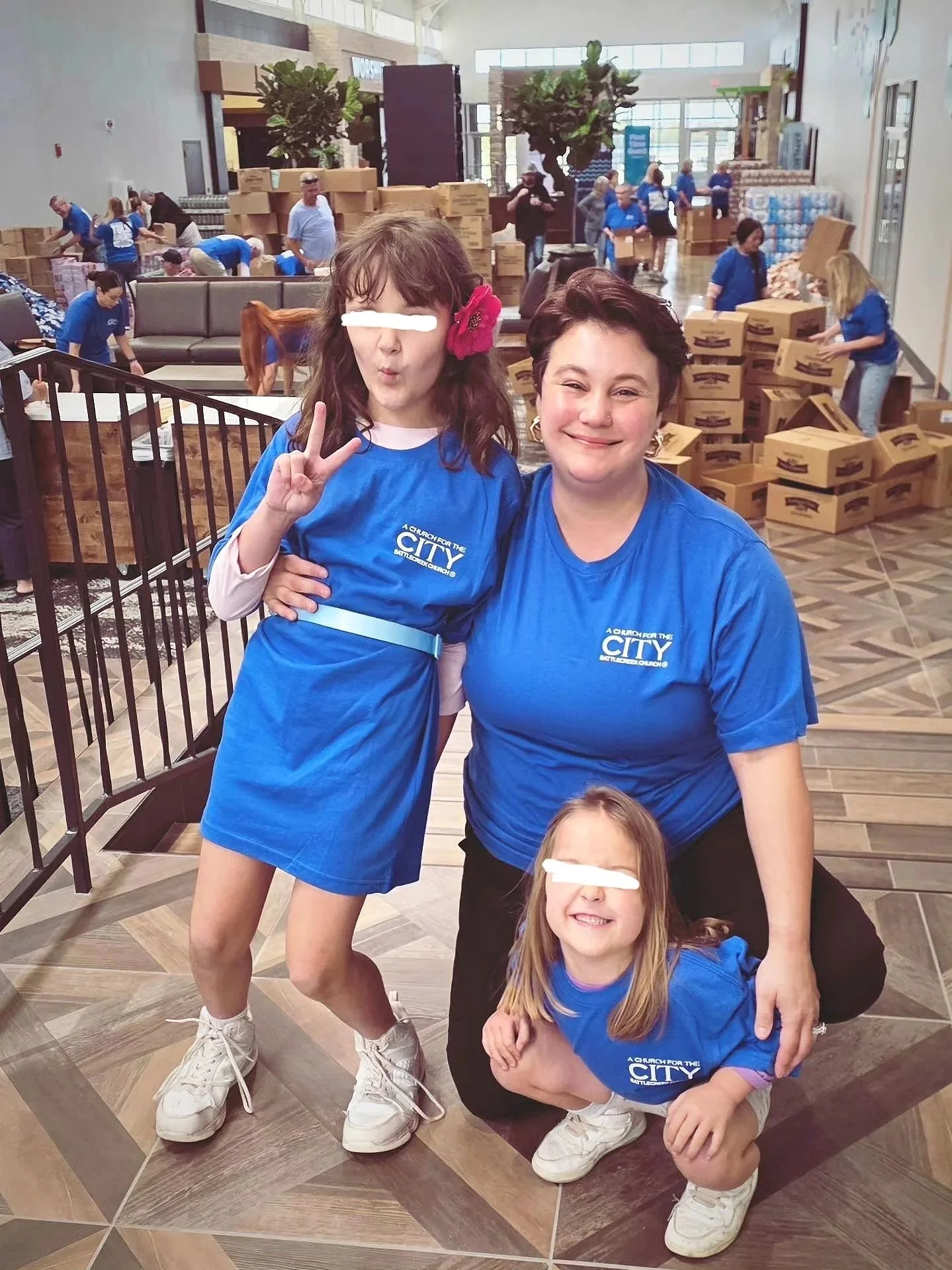
Serve the community: Turn the holiday into a family day of service. Volunteer together, donate to a cause, or perform small acts of kindness.
Examples of Family Service Activities for Martin Luther King Jr. Day in Tulsa, OK
1. Volunteer at a Local Food Bank
Community Food Bank of Eastern Oklahoma – Families can help sort and pack food donations for local families in need.
Location: 1304 N. Kenosha Ave., Tulsa
Family idea: Talk with your kids about food insecurity and how helping others supports Dr. King’s vision of community care.
2. Support Homeless Outreach Efforts
John 3:16 Mission – Volunteer to serve meals, organize donations, or assemble hygiene kits for individuals experiencing homelessness.
Location: 506 N. Cheyenne Ave., Tulsa
Family idea: Have children help pack care bags with socks, snacks, and encouraging notes.
3. Participate in a Community Cleanup
Tulsa Parks & Recreation MLK Day Cleanup Events – Join local volunteers to clean up parks, trails, or neighborhoods.
Family idea: Bring gloves and trash bags, and talk about how caring for shared spaces shows respect for the community.
4. Donate Books or School Supplies
Tulsa Dream Center or Reading Partners Tulsa – Collect and donate children’s books, school supplies, or educational materials.
Family idea: Choose books that celebrate diversity and equality, and include a note about why reading matters.
5. Help at an Animal Shelter
Tulsa SPCA or Humane Society of Tulsa – Families can volunteer to walk dogs, clean kennels, or donate pet food and blankets.
Family idea: Discuss how kindness extends to all living beings and how caring for animals builds empathy.
6. Join the MLK Parade and Community Events
Tulsa MLK Parade & Celebration – Participate in or attend the annual parade honoring Dr. King’s legacy.
Family idea: Before or after the parade, talk about what Dr. King’s message means today and how your family can live it out year-round.
7. Perform Small Acts of Kindness
If volunteering isn’t possible, create your own service project at home:
Bake cookies for first responders or teachers.
Write thank-you cards to community helpers.
Deliver flowers or handmade cards to a local nursing home.
Pay for someone’s coffee or meal as a random act of kindness.
Each of these activities helps children see that service isn’t just about one day—it’s about building a habit of compassion and community care, just as Dr. King envisioned.
Explore history and culture: Visit museums, historical sites, or virtual exhibits that highlight the Civil Rights Movement and Black history.
Examples of Exploring History and Culture for Martin Luther King Jr. Day in Tulsa, OK
1. Greenwood Rising Black Wall Street History Center
Location: 23 N. Greenwood Ave., Tulsa
This immersive museum tells the story of the 1921 Tulsa Race Massacre and celebrates the resilience of the Greenwood community, once known as “Black Wall Street.”
Family idea: After visiting, talk with your children about how the people of Greenwood rebuilt their community and what that teaches about strength, justice, and hope.
2. John Hope Franklin Reconciliation Park
Location: 321 N. Detroit Ave., Tulsa
A powerful outdoor memorial honoring the victims of the Tulsa Race Massacre and celebrating reconciliation and unity.
Family idea: Walk through the park together and discuss the importance of remembering history to build a more peaceful future.
Location: 322 N. Greenwood Ave., Tulsa
A community hub preserving the history of Black Wall Street and promoting African American culture through exhibits, art, and educational programs.
Family idea: Attend a family-friendly event or exhibit, and encourage kids to share what they learned about community pride and perseverance.
4. Tulsa Historical Society & Museum
Location: 2445 S. Peoria Ave., Tulsa
Offers exhibits that explore Tulsa’s complex history, including the Civil Rights era and the city’s path toward reconciliation.
Family idea: Use the visit to talk about how local history connects to Dr. King’s national movement for equality and justice.
5. Virtual Learning Opportunities
If you prefer to explore from home, try these online experiences:
Greenwood Rising Virtual Tour – Learn about the history of Black Wall Street through interactive online exhibits.
Smithsonian National Museum of African American History and Culture – Explore virtual exhibits on the Civil Rights Movement, Dr. King’s speeches, and Black cultural achievements.
Family idea: After exploring, ask your children to share one story or person that inspired them and why.
6. Attend Local MLK Events
Tulsa MLK Commemoration Society Events – Each January, Tulsa hosts a series of events including educational programs, art exhibits, and the MLK Parade.
Family idea: Participate together and discuss how these celebrations keep Dr. King’s message alive in the community.
Exploring Tulsa’s rich history and culture helps families connect Dr. King’s dream to local stories of resilience, justice, and unity—turning learning into a shared experience of reflection and inspiration.
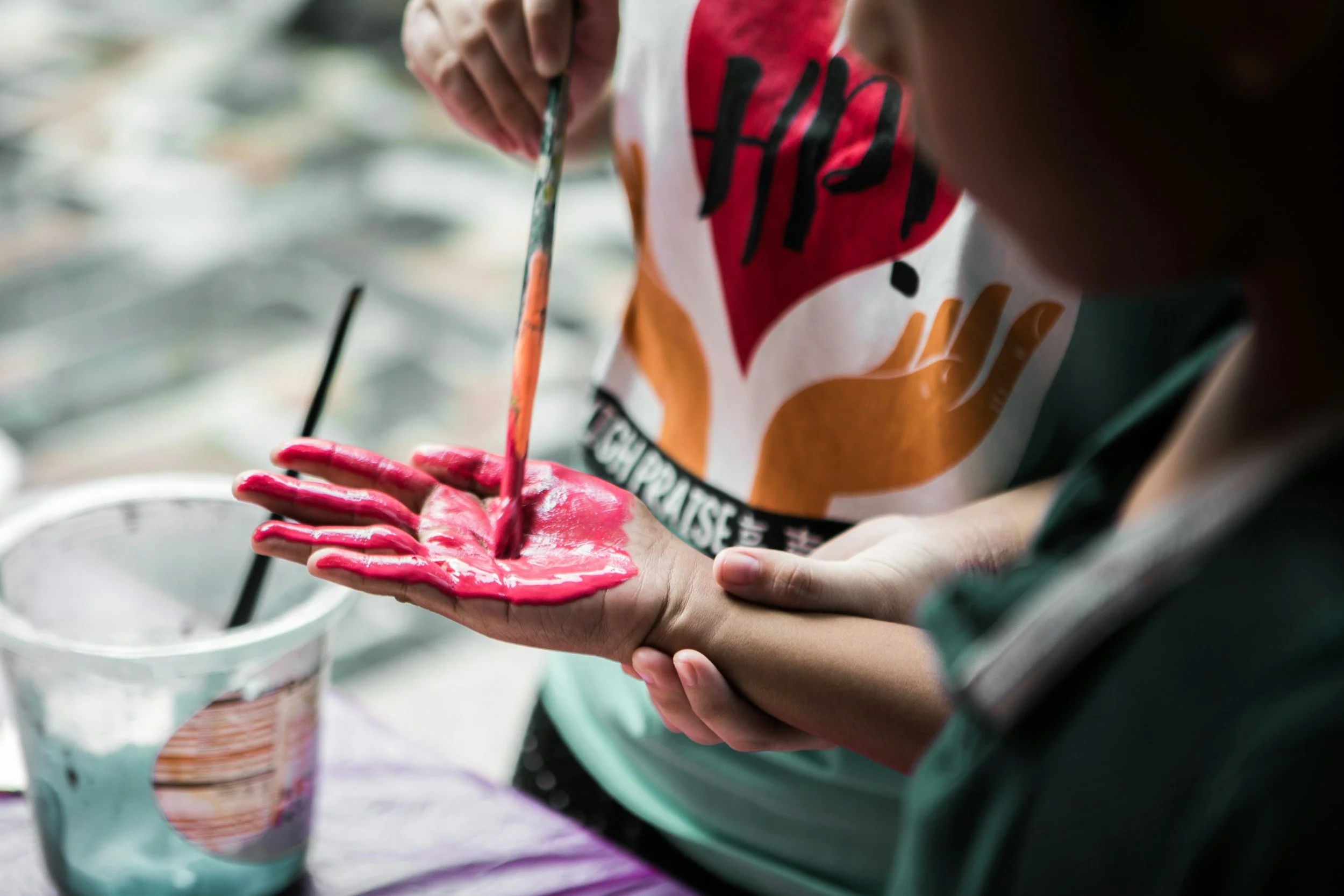
Encourage creative expression: Invite children to write, draw, or speak about their own dreams for a better world.
Examples of Encouraging Creative Expression for Martin Luther King Jr. Day
1. Write “I Have a Dream” Poems or Essays
Ask children to write their own version of Dr. King’s “I Have a Dream” speech, focusing on what they hope the world will look like in the future.
Example prompts:
“I have a dream that my school will…”
“I have a dream that everyone will be treated…”
“I have a dream that our world will be…”
Encourage older kids to share their writing aloud with family or classmates.
2. Create Dream Posters or Vision Boards
Provide paper, magazines, markers, and glue for kids to create posters showing their dreams for a kinder, fairer world.
Example themes: peace, friendship, equality, environmental care, or community service.
Display their artwork at home or in a classroom to celebrate their ideas.
3. Draw or Paint Acts of Kindness
Invite younger children to draw pictures of people helping one another—sharing toys, comforting a friend, or cleaning up a park.
Family idea: Create a “Wall of Kindness” where everyone adds their drawings throughout the week.
4. Perform a “Dream Speech” or Skit
Encourage kids to write short speeches or skits inspired by Dr. King’s message.
Example: A short play about standing up for a friend or making peace after a disagreement.
Record their performances or share them during a family gathering or school event.
5. Compose Music or Songs About Unity
For musically inclined children, suggest writing a song or rap about fairness, love, or community.
Example: A simple chorus like “We can change the world with kindness every day.”
6. Create a Family “Dream Tree”
Cut out paper leaves and have each family member write one dream for the world on a leaf.
Example dreams: “No one goes hungry,” “Everyone feels safe,” “We take care of the Earth.”
Hang the leaves on a small tree branch or poster board as a visual reminder of shared hopes.
7. Make a “Dream Journal”
Encourage kids to keep a journal where they write or draw ways they can make their dreams come true—like helping a friend, recycling, or volunteering.
Family idea: Revisit the journal each year on MLK Day to see how their dreams and actions have grown.
These creative activities help children connect emotionally with Dr. King’s message, turning his dream into something personal, expressive, and actionable in their own lives.
A Day of Reflection, Action, and Hope
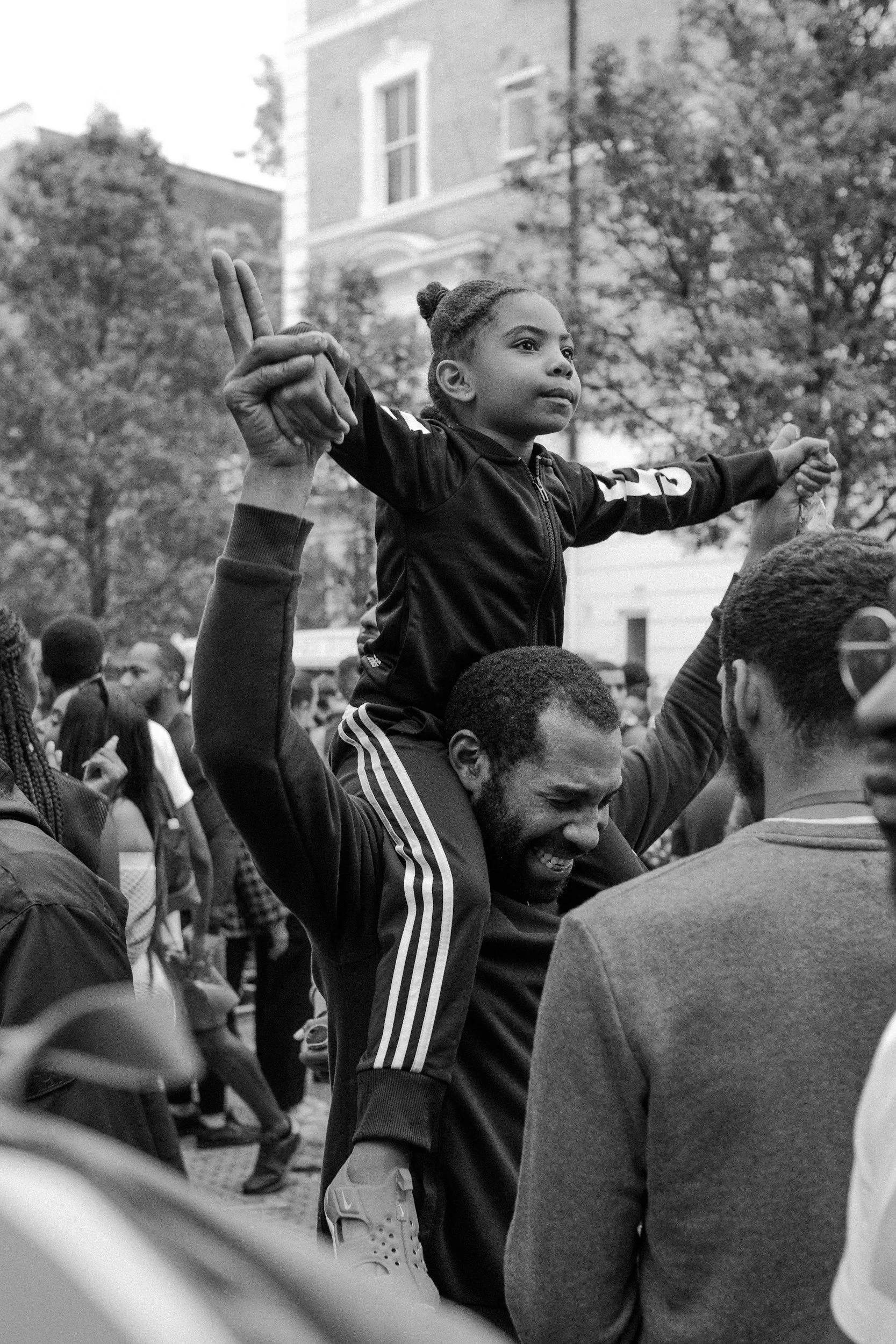
For moms, Martin Luther King Jr. Day is both a reflection and a call to action. It’s a reminder that raising compassionate, aware, and courageous children is one of the most powerful ways to continue Dr. King’s legacy. By teaching love over hate, action over apathy, and justice over silence, families can help build the inclusive, caring world that Dr. King envisioned—a world where everyone belongs.
With unity and love,
Brooklin